


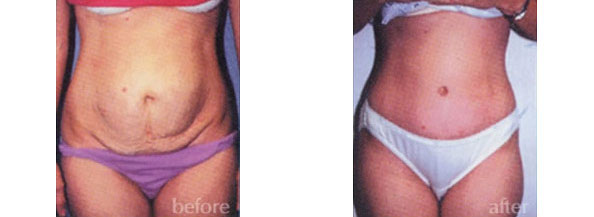

What does "muscle repair" actually involve, and why is it part of a tummy tuck?
During pregnancy or significant weight gain, the two vertical bands of abdominal muscle can separate, a condition called diastasis recti. Dr. Casper sutures these muscles back together along the midline, effectively rebuilding your core wall. This repair is one of the reasons a tummy tuck can improve posture and physical function, not just appearance.
How is the navel "repositioned" during a full tummy tuck?
Your belly button isn't actually moved, it stays attached to the abdominal wall throughout the procedure. After Dr. Casper removes excess skin and redrapes the remaining tissue downward, he creates a new opening in the skin at the correct position so your navel sits naturally on the newly contoured abdomen.
The page mentions the incision is hidden beneath underwear or a bikini. How low is the scar, and how long is it?
The incision runs horizontally along the lower abdomen, typically from hip to hip, and is placed at or below the underwear line. The exact length depends on how much excess skin needs to be removed. Dr. Casper positions it so that standard swimwear and undergarments conceal the scar entirely once healed.
What's the difference between getting liposuction alone versus a full tummy tuck?
Liposuction removes fat but does not address loose skin or separated muscles. If your skin has good elasticity and your concern is purely excess fat, liposuction alone may be sufficient. However, if you have hanging skin, stretch marks below the navel, or weakened abdominal muscles, a tummy tuck is necessary to achieve a smooth, firm result.
Why do I need to wear a compression garment after surgery, and for how long?
A compression garment reduces swelling, supports the repaired muscles, and helps your skin adhere smoothly to its new contour as you heal. Most patients wear one around the clock for the first several weeks, then transition to wearing it during the day only. Dr. Casper provides specific guidance based on your individual recovery.
Can a tummy tuck fix the "pooch" that won't go away no matter how much I exercise?
In many cases, that persistent lower belly bulge isn't fat, it's caused by separated abdominal muscles that no amount of exercise can fully close. A tummy tuck repairs that muscle separation and removes the overlying excess skin and fat, addressing the root cause that crunches and planks simply can't reach.
I've lost over 100 pounds. Would I need an extended tummy tuck or a different procedure entirely?
Massive weight loss patients often have excess skin that wraps around the sides and lower back, which a standard tummy tuck may not fully address. An extended tummy tuck includes the flanks and hips, but in some cases Dr. Casper may recommend a full body lift for more comprehensive circumferential contouring. He'll assess your specific needs during your consultation.
If I get pregnant after a tummy tuck, will it undo the results completely?
A future pregnancy can re-stretch the skin and separate the repaired muscles, which is why Dr. Casper recommends completing your family before surgery. That said, a pregnancy won't erase the procedure entirely, your abdomen will still look better than it would have without the tummy tuck, though you may want a revision afterward.